
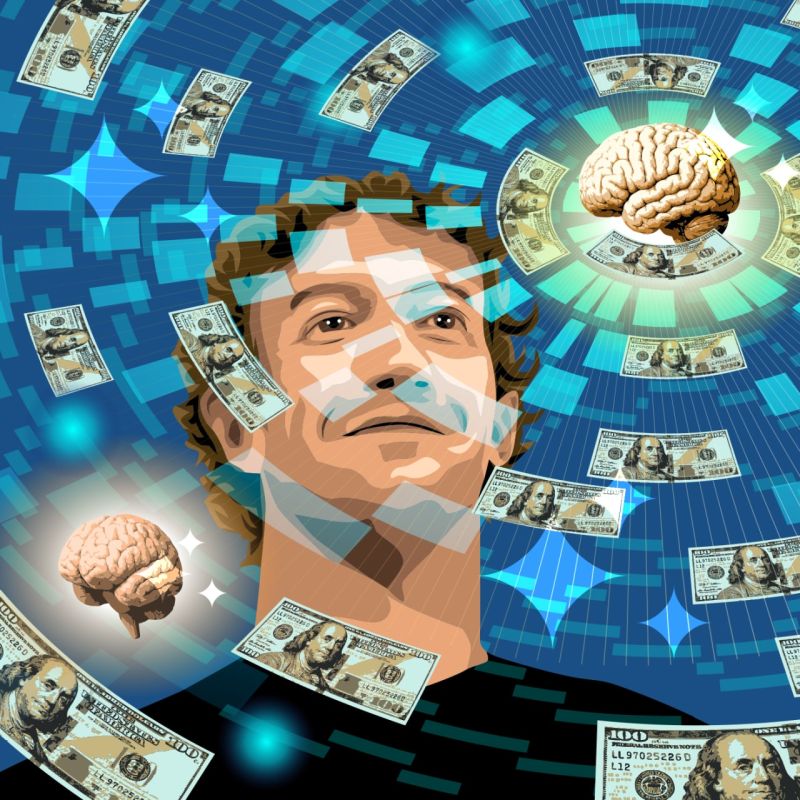
According to an extensive meta-analysis*, excessive consumption of formats like TikTok, Instagram Reels, and YouTube Shorts negatively affects key cognitive functions such as sustained attention, self-control, and concentration.
Why It Matters
Simply put, the more we consume these short videos, the less capable we are of maintaining focus on tasks that require effort or extended time.
From a medical and psychological perspective, these formats generate a “dopaminergic loop” that induces a search for instant gratification, modulating the brain’s reward system.
This mechanism can reduce tolerance for complex and deliberate experiences typical of the real world, such as reading, studying, or engaging in deep conversation.
Furthermore, the study detects a significant association between high consumption of short videos and a decline in mental health, with increases in stress, anxiety, depressive symptoms, and alterations in sleep quality in both adolescents and adults.
Part of the reason for this situation is the very design of these platforms, which have created an endless feed designed to capture and maintain attention with rapid and highly rewarding stimuli, hindering the user’s ability to pause.
This design, while effective for business, poses enormous ethical and responsibility challenges for brands and platforms, which must balance innovation and entertainment with protecting the cognitive and emotional health of their users.
From a responsibility perspective, platforms should intensify their efforts in digital education, raising awareness of the risks, promoting voluntary time management, and fostering content that provides long-term value.
On the other hand, as users, it is vital that each of us develops conscious digital habits, sets clear boundaries, and balances the consumption of short-form content with activities that strengthen the mind, such as reading and deep reflection, which, according to experts, are key to cultural maturity and emotional stability.
This phenomenon is not only technological or cultural, but also an emerging public health problem.
Science warns us that short videos are reshaping brain and mental architecture, molding our ability to confront the real world and our emotions with depth and resilience.
Taking time to reflect on how we consume this content, making conscious choices, and taking informed decisions can be a healthy practice that we propose to our community in this digital age.
The Bottom Line
*Based on research conducted by Lan Nguyen’s team at Griffith University, which collected data from 98,299 people across 71 studies.

