
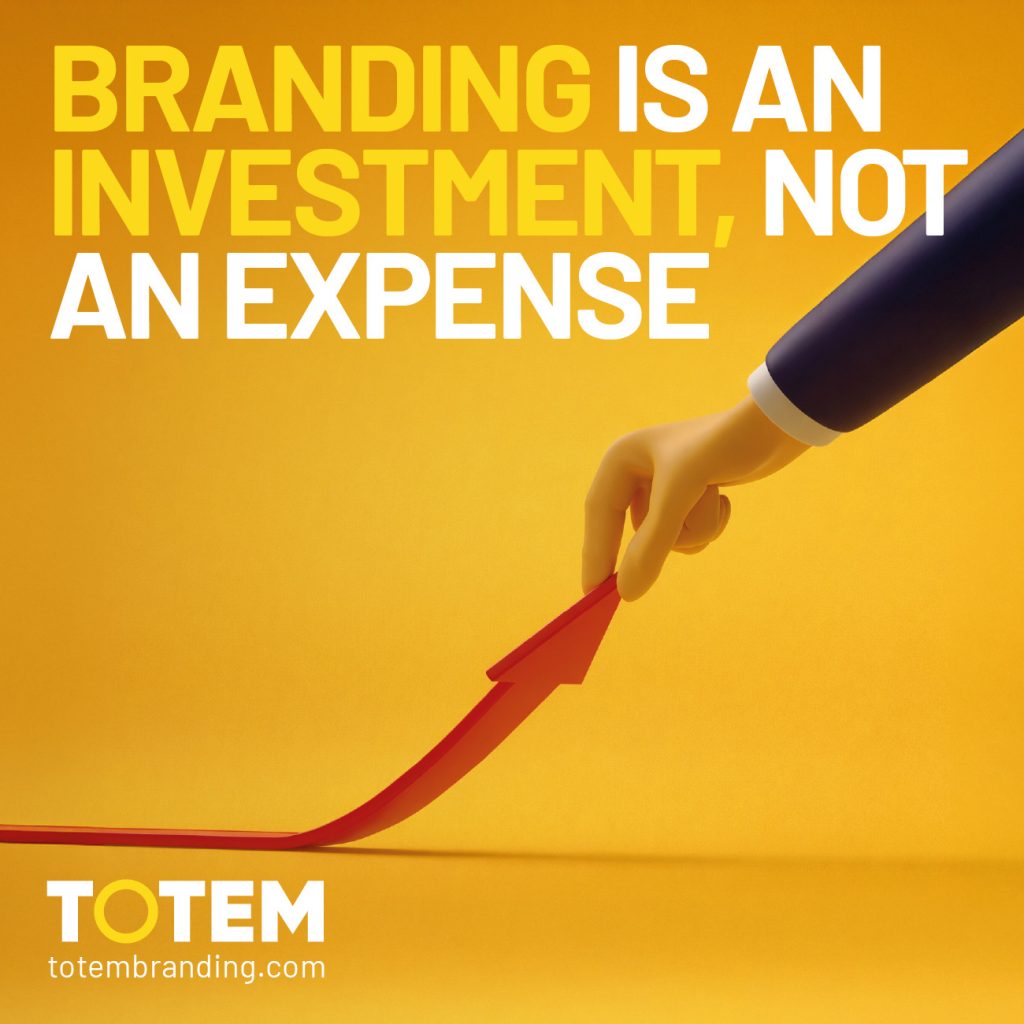
The prevailing uncertainty has forced many companies to confront the same old reflection: viewing marketing and branding as a cost to be cut. What is almost never analyzed with the same attention is the cost of ceasing to invest in the brand precisely when it is most needed.
Why It Matters
During the last major crisis, the IPA (Institute of Practitioners in Advertising) sent a very simple message to advertisers: if you cut back, we’ll talk again in a year. The logic behind it remains valid this year: decisions that seem “prudent” in the short term often prove very costly in the medium and long term.
Today, with inflation, geopolitical tensions, technological disruption, and pressure on margins, the temptation to shut down campaigns, freeze brand projects, or reduce presence is enormous. But historical evidence and current reality point in the opposite direction: brands do not grow by cutting their visibility or relevance, much less during complex cycles.
Recessions and periods of uncertainty are not just times for restraint; they are windows in which market attention is realigned. While some disappear from the map, others consolidate their position, increase brand awareness, and gain market share at a lower relative cost.
The companies that best navigate these stages are those that adjust without altering their core principles: they maintain their branding investment, refine their value proposition, and nurture the customer experience. Studies confirm this: those who cut back on their branding declined during and after the recession; those who maintained it grew faster as the economy recovered.
Because at TOTEM, we believe that by putting humanity at the center, we can create brands that people feel and experience, not just buy.
Today, this equation has become more demanding: the rise of artificial intelligence, the saturation of messages, and polarization make having a clear, consistent, and trustworthy brand a critical asset, not a luxury. Simply existing isn’t enough; you have to mean something to people. And that can only be built with well-thought-out branding, sustained over time, focused on creating brands that unite people.
Automatic cuts in marketing usually stem from two sources: fear or a lack of understanding of the brand’s strategic role. In both cases, the result is similar: less visibility, less preference, less value.
At TOTEM Branding, we often frame it this way:
“Think good branding is expensive? Wait until you see what bad branding costs… or none at all.”
In complex times, panic leads to shutting down. History, data, and experience with over 490 brands in 45 countries show us otherwise: organizations that keep a cool head, protect their branding investment, and use it more intelligently not only weather crises better but emerge stronger.
The Bottom Line
Because ultimately, the question isn’t how much it will cost to invest in branding in 2026. The question is how much it will cost you not to.

