
 Democracy in modern societies goes far beyond the periodic holding of elections; it represents the indispensable foundation for guaranteeing peaceful coexistence, equal opportunities, and respect for fundamental rights.
International Day of Democracy invites us to look beyond the ballot box. Because democracy is also built (or weakened) in public discourse, in the voices that manage to be heard, and in the way we decide what deserves attention.
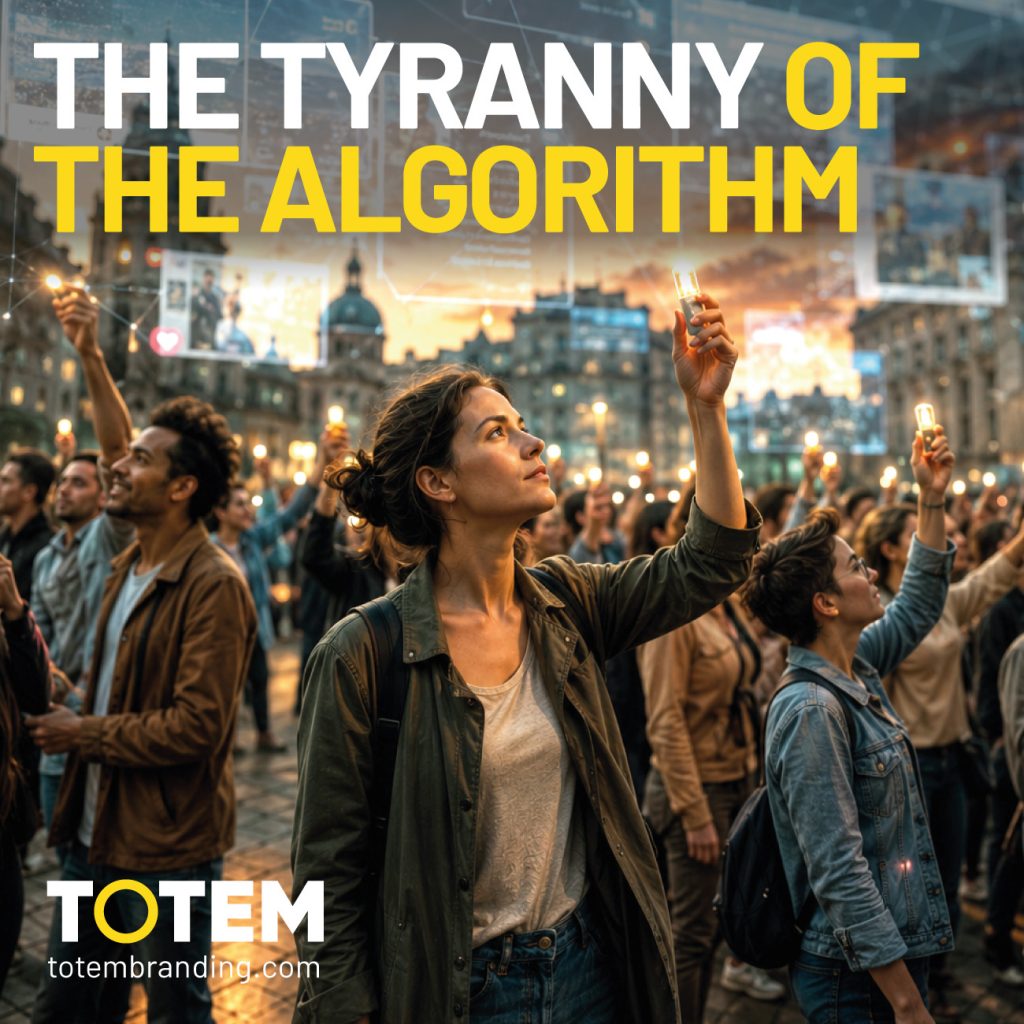
For a long time, we imagined this discourse as an open space. And it still is. But it is increasingly conditioned by systems that decide what we see first, what is repeated, what scales, what disappears, and what ends up seeming more important than it really is.
Today, no brand communicates in a vacuum. They all participate in environments that reward rapid reaction, polarization, repetition, and noise. Therefore, the question is no longer just how to gain visibility. It also matters what kind of conversation a brand is helping to create in order to achieve it.
You can shout louder, provoke for no reason, or jump on every trending topic. It works, at least for a few hours. But attention gained by any means rarely translates into trust.
You can also choose another path. Provide context. Speak when you have something to say. Maintain a position without turning it into a spectacle. Understand that not every trend deserves a response and that not every reaction enhances reputation.
That’s also branding.
It’s not just about defining what a brand represents. It’s about knowing how it participates in the conversation and what boundaries it chooses not to cross in order to be seen.
Because nurturing the quality of that conversation is also a way of nurturing democracy.

